

- seo
- No Comments
- September 24, 2025
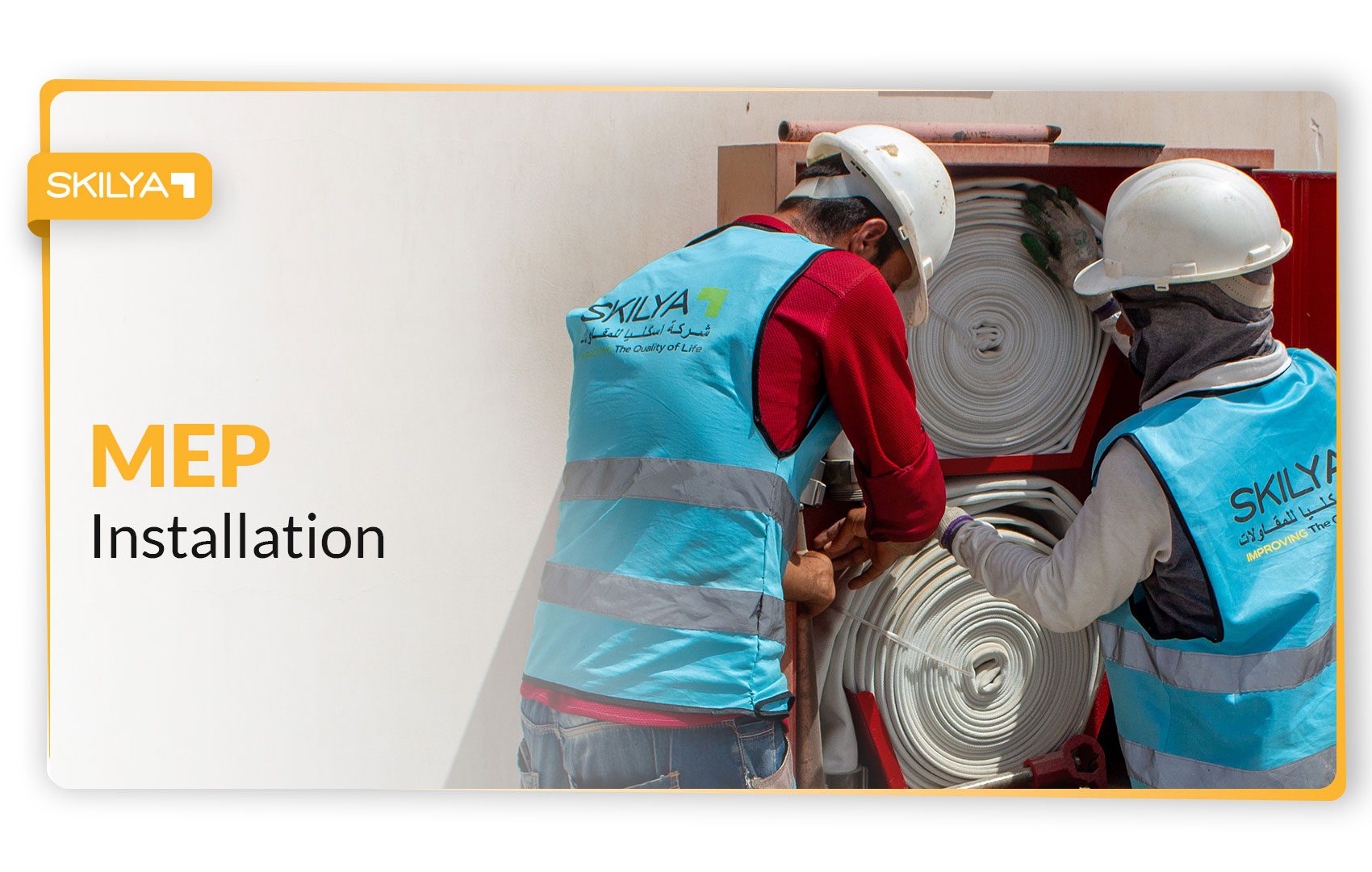
MEP Installation Practices Every Project Needs
In the world of construction, success depends on more than just strong walls and durable materials. A truly functional building relies on well-designed and properly executed MEP systems (Mechanical, Electrical, and Plumbing). These systems power daily operations, ensure safety, and provide comfort for occupants.
Without proper MEP installation practices, even the most impressive architectural designs can face operational challenges, high maintenance costs, and safety issues. That’s why adopting the right MEP practices is essential for every project whether it’s residential, commercial, or industrial.
1. Early Coordination Between Design and Construction Teams
The most effective MEP projects begin early in the design phase. Mechanical, electrical, and plumbing engineers must work hand in hand with architects and structural engineers to avoid conflicts such as:
- HVAC ducts clashing with structural beams.
- Electrical conduits overlapping with plumbing lines.
- Limited space for system maintenance.
By using BIM (Building Information Modeling), clashes can be detected and resolved before construction starts, saving both time and money.
Key Point: Early coordination prevents costly rework and ensures seamless integration.
2. Compliance with Codes and Standards
Every MEP system must comply with local regulations and international standards. This ensures safety, efficiency, and legal approval for the project. Examples include:
- ASHRAE standards for HVAC.
- NFPA standards for fire safety and electrical installations.
- IPC (International Plumbing Code) for plumbing works.
Skilya ensures all installations meet these standards, giving clients confidence in both performance and safety.
Key Point: Code compliance reduces risks and protects project investments.
3. Proper Sizing and Load Calculations
One of the most common mistakes in MEP projects is improper system sizing. Examples:
- An undersized HVAC unit that cannot maintain comfortable temperatures.
- Overloaded electrical systems that cause frequent outages.
- Plumbing systems that fail to deliver adequate pressure.
Through detailed load calculations and demand analysis, Skilya designs systems that match the exact requirements of the building, ensuring performance and energy efficiency.
Key Point: Correct system sizing guarantees comfort, safety, and cost savings.
4. Quality Installation Materials and Techniques
Even the best design can fail if poor materials or outdated techniques are used. Robust MEP installations require:
- High-quality pipes, conduits, and fittings for durability.
- Certified cables and breakers for electrical safety.
- Modern insulation materials to improve energy efficiency.
At Skilya, we follow international procurement standards, ensuring every material supports long-term performance and safety.
Key Point: Quality materials extend system lifespan and reduce maintenance costs.
5. Efficient Space Planning and Accessibility
MEP systems are not only hidden behind walls they require access for future maintenance. Proper planning ensures:
- Sufficient clearance for HVAC units and plumbing valves.
- Accessible electrical panels and switchgear.
- Organized layouts that simplify troubleshooting.
This results in reduced downtime, easier inspections, and lower maintenance costs over the building’s lifetime.
Key Point: Smart space planning makes systems safer, more efficient, and easier to maintain.
6. Testing, Commissioning, and Quality Assurance
No installation is complete without thorough testing and commissioning. This involves:
- Pressure tests for plumbing lines.
- Load tests for electrical systems.
- Performance tests for HVAC equipment.
Skilya performs comprehensive inspections before handing over a project to ensure systems operate exactly as designed.
Key Point: Testing ensures reliability and client satisfaction.
7. Integration of Smart Technologies
Modern projects demand smart infrastructure. Skilya integrates IoT and automation systems into MEP installations, such as:
- Smart HVAC with energy-efficient controls.
- Automated lighting and power management.
- Leak detection and monitoring systems for plumbing.
These solutions not only save energy but also enhance safety and sustainability.
Key Point: Smart MEP systems prepare buildings for the future.
8. Continuous Maintenance and Documentation
A successful project doesn’t end at handover. Providing as-built drawings, O&M manuals, and maintenance schedules ensures the building operates smoothly for years.
Skilya also offers post-construction maintenance services, ensuring clients always get maximum performance from their MEP systems.
Key Point: Documentation and maintenance secure long-term performance.
Skilya’s Expertise in MEP installation practices
At Skilya, we understand that robust infrastructure requires world-class MEP solutions. Our team provides:
- Tailor-made designs that align with each project’s requirements.
- Skilled installation teams with years of hands-on experience.
- Sustainable practices to reduce energy and water consumption.
- Timely delivery using prefabrication and efficient project management.
Whether it’s a high-rise tower, a commercial complex, or an industrial facility, Skilya delivers MEP systems that guarantee safety, efficiency, and durability.
MEP installation practices form the backbone of every successful project. From early coordination and code compliance to proper system sizing, quality materials, and smart technologies, these practices ensure buildings are safe, efficient, and future-ready.
At Skilya, we combine engineering expertise with sustainable solutions to provide world-class MEP installations that stand the test of time.